
Sesame Seeds: Tiny Superfoods with Big Benefits
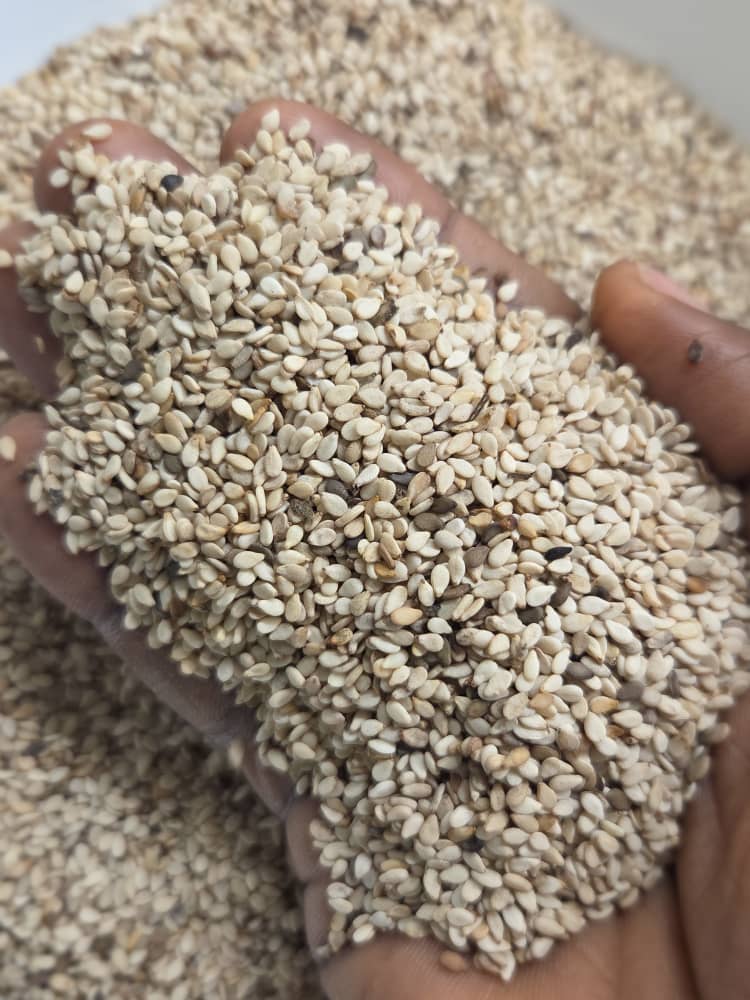
Sesame seeds (Sesamum indicum) are tiny, oil-rich seeds that have been cultivated for thousands of years. Known for their nutty flavor and versatile uses, these seeds are staples in various cuisines around the world. From enhancing dishes to providing numerous health benefits, sesame seeds deserve a prominent place in your diet. In this blog, we’ll delve into the uses, health benefits, and culinary potential of sesame seeds.
Global Uses of Sesame Seeds
Sesame seeds are enjoyed in various forms across different cultures. Here are some popular global uses:
1. Middle Eastern Cuisine: In the Middle East, sesame seeds are ground into tahini, a creamy paste used in dishes like hummus and baba ghanoush. They are also sprinkled on flatbreads like pita and used to coat falafel.
2. Asian Dishes: In Asian cuisines, particularly Chinese and Japanese, sesame seeds are often used as a garnish for stir-fries, salads, and sushi. Toasted sesame oil is a common ingredient that adds depth and flavor to many dishes.
3. Indian Cooking: In India, sesame seeds are used in a variety of sweets, such as ladoos and tilgul, especially during festivals. They are also incorporated into curries and rice dishes for added texture and flavor.
4. Baking: Sesame seeds are commonly used in baking, particularly in bread. The seeds are often sprinkled on top of bagels, burger buns, and other baked goods for a delightful crunch.
5. Snacking: Roasted sesame seeds make for a nutritious snack. They can be eaten plain or mixed with nuts and dried fruits for a healthy trail mix.
Local Uses of Sesame Seeds
In various regions, sesame seeds have local significance:
1. African Cuisine: In many African countries, sesame seeds are used to make sauces, snacks, and oils. They are often ground into a paste and used in stews or as a dip.
2. Latin American Cooking: In Mexico, sesame seeds are used in the traditional sauce called mole, where they add richness and flavor. They are also used in desserts and candies.
3. Nutritional Supplements: Locally, sesame seeds are sometimes used in health foods and supplements due to their high nutrient content.
Health Benefits of Sesame Seeds
Sesame seeds are not only delicious but also pack a nutritional punch. Here are some of their notable health benefits:
1. Rich in Nutrients: Sesame seeds are a great source of essential nutrients, including protein, healthy fats, fiber, vitamins (B vitamins, particularly B1 and B6), and minerals (calcium, iron, magnesium, and zinc).
2. Heart Health: The healthy fats in sesame seeds, especially monounsaturated and polyunsaturated fats, can help lower cholesterol levels, reducing the risk of heart disease.
3. Antioxidant Properties: Sesame seeds contain antioxidants like sesamol and sesamin, which help protect the body from oxidative stress and may reduce the risk of chronic diseases.
4. Bone Health: With their high calcium content, sesame seeds contribute to maintaining strong bones and may help prevent osteoporosis.
5. Anti-Inflammatory Effects: The compounds found in sesame seeds can help reduce inflammation in the body, providing relief from various inflammatory conditions.
6. Digestive Health: The fiber content in sesame seeds aids in digestion, promoting regular bowel movements and a healthy gut.
Incorporating Sesame Seeds into Your Diet
Adding sesame seeds to your meals is easy and rewarding. Here are some tips:
Toppings: Sprinkle sesame seeds on salads, stir-fries, and soups for added crunch and flavor.
Homemade Tahini: Make your own tahini by blending toasted sesame seeds with a bit of oil until smooth. Use it as a dip or dressing.
Baking: Incorporate sesame seeds into your favorite bread recipes or use them to top baked goods for added texture.
Snacking: Enjoy roasted sesame seeds as a healthy snack on their own or mixed with nuts.
Smoothies: Add a tablespoon of sesame seeds to your smoothies for an extra boost of nutrition.
Conclusion
Sesame seeds are a small but mighty food that offers a wealth of culinary and health benefits. Their versatility allows them to be incorporated into various dishes, while their rich nutrient profile makes them a valuable addition to any diet. Whether you’re enjoying them in a traditional dish or experimenting in the kitchen, sesame seeds are sure to enhance both flavor and nutrition.