
The Multifaceted Uses of Sesame Seed Oil in the Pharmaceutical Industry
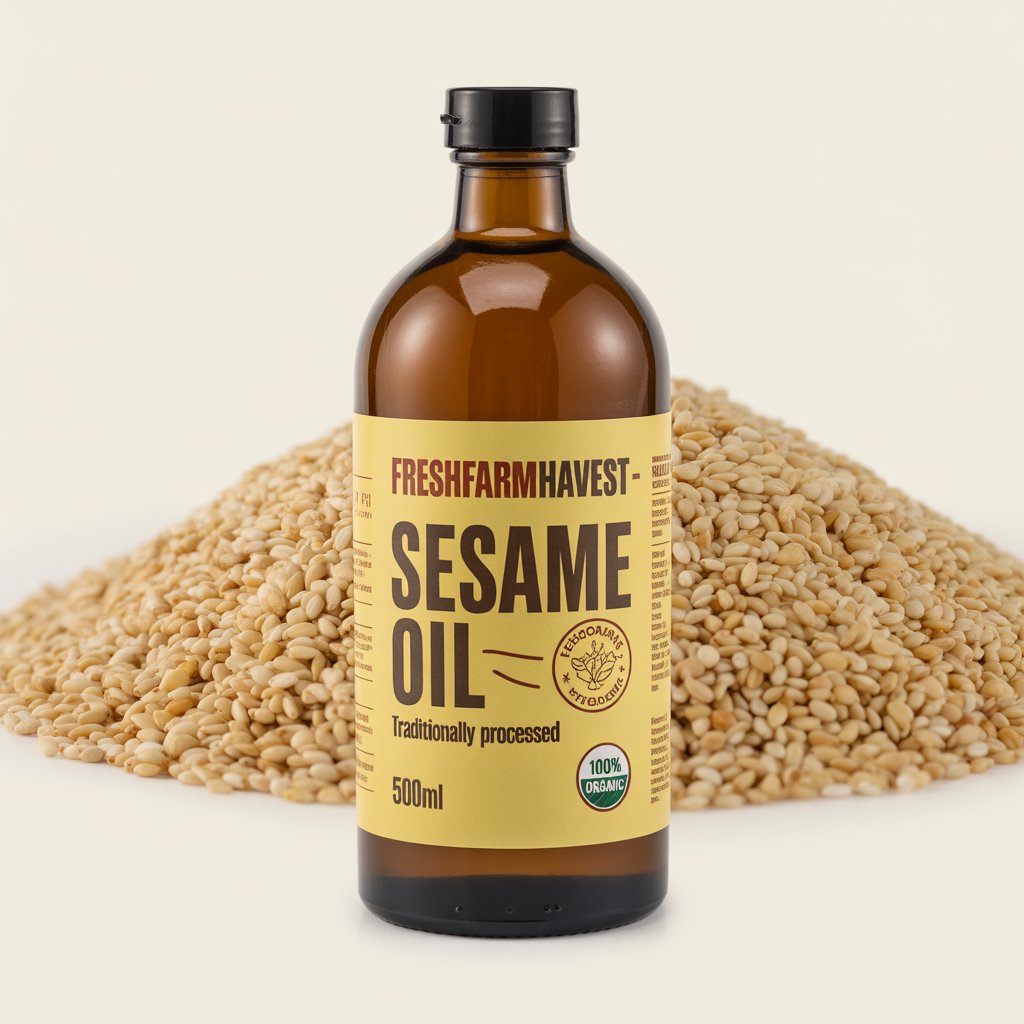
Sesame seed oil, derived from the seeds of the Sesamum indicum plant, is one of the oldest known cooking oils, prized not only for its culinary applications but also for its numerous health benefits. With a rich nutritional profile, sesame seed oil has found its way into various industries, particularly the pharmaceutical sector. This blog will explore the versatile uses of sesame seed oil, emphasizing its significance in medicine and wellness.
Nutritional and Chemical Composition
Sesame seed oil is rich in several key components that contribute to its health benefits:
1. Fatty Acids: The oil is composed mainly of unsaturated fatty acids, including oleic acid and linoleic acid, which are essential for heart health.
2. Antioxidants: It contains powerful antioxidants such as sesamol, sesamin, and vitamin E, which help combat oxidative stress and inflammation in the body.
3. Vitamins and Minerals: Sesame oil is a source of essential vitamins and minerals, contributing to its overall health-promoting properties.
Pharmaceutical Applications of Sesame Seed Oil
1. Anti-Inflammatory Properties:
Sesame seed oil is recognized for its anti-inflammatory effects, making it a valuable ingredient in topical formulations. It is often used in creams and ointments designed to relieve joint pain, muscle soreness, and inflammatory skin conditions like eczema and psoriasis.
2. Skin Health:
The moisturizing properties of sesame seed oil make it an excellent choice for skincare products. It acts as a natural emollient, helping to hydrate and protect the skin. Its antibacterial and antifungal properties also make it effective in formulations aimed at treating acne and other skin infections.
3. Wound Healing:
Research suggests that sesame seed oil can promote wound healing due to its anti-inflammatory and antimicrobial properties. It is often included in ointments and dressings intended for minor cuts, burns, and abrasions.
4. Cardiovascular Health:
The oil’s high content of polyunsaturated fats can help lower cholesterol levels and improve heart health. It is frequently used in dietary supplements aimed at promoting cardiovascular wellness and reducing the risk of heart disease.
5. Antioxidant Effects:
The antioxidants present in sesame seed oil help neutralize free radicals, thereby protecting cells from damage. This property is beneficial in formulations aimed at preventing age-related diseases and promoting overall health.
6. Digestive Health:
Sesame oil can aid in digestion and is sometimes incorporated into supplements targeting gastrointestinal health. Its lubricating properties help ease bowel movements and support a healthy digestive tract.
7. Traditional Medicine:
In various cultures, sesame seed oil has been used in traditional medicine for its health-promoting properties. It is often employed in Ayurvedic practices for its ability to balance doshas and promote overall wellness.
Uses in Formulations
1. Topical Creams and Ointments:
Sesame seed oil is commonly used as a base in creams and ointments for its moisturizing and healing properties. It enhances the absorption of active ingredients, making formulations more effective.
2. Massage Oils:
Its smooth texture and nourishing properties make sesame oil a popular choice for massage oils. It helps relax muscles while providing hydration to the skin.
3. Nutraceuticals:
The oil is increasingly being utilized in nutraceutical products due to its health benefits. It can be found in capsules and liquid supplements aimed at supporting heart health, skin health, and overall wellness.
4. Cosmeceuticals:
Given its skin-friendly attributes, sesame seed oil is often incorporated into cosmeceutical products that bridge the gap between cosmetics and pharmaceuticals, providing therapeutic benefits along with cosmetic enhancement.
Incorporating Sesame Seed Oil into Daily Life
1. Cooking:
While sesame seed oil is well-known for its culinary uses, its health benefits can also contribute to a balanced diet. Use it as a salad dressing, in marinades, or for sautéing to enjoy its flavor and nutritional advantages.
2. Skincare Routine:
Consider adding sesame seed oil to your skincare regimen. It can be used as a moisturizer, makeup remover, or massage oil for a nourishing treatment.
3. Dietary Supplements:
Explore the availability of sesame seed oil supplements to reap its health benefits in a convenient form.
In Conclusion
Sesame seed oil is a remarkable oil with multifaceted uses, particularly in the pharmaceutical industry. Its anti-inflammatory, antioxidant, and healing properties make it a valuable ingredient in various formulations aimed at promoting health and wellness. As awareness of its benefits continues to grow, sesame seed oil is poised to play an even more significant role in both the culinary and medicinal realms.